New technology
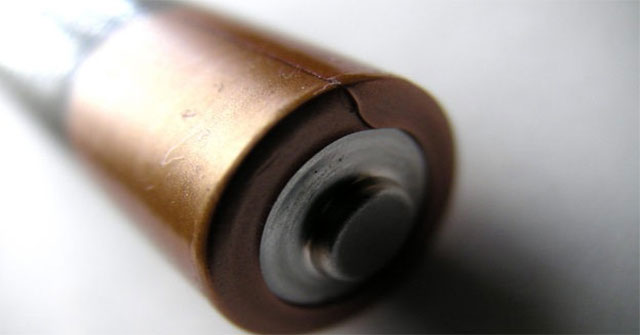
India successfully developed the world's first iron-ion battery
The long way to replace li-ion batteries (and reduce the exploitation of rare earths) begins with a small success.
Browse ScienceInfo articles and explainers related to The World'.
1,140 published items.
The long way to replace li-ion batteries (and reduce the exploitation of rare earths) begins with a small success.

Surprisingly, Western and global scientists used different languages to communicate with each other.

Pan-American (America) is said to be the longest route on Earth, going through a variety of unique terrains and cultures.
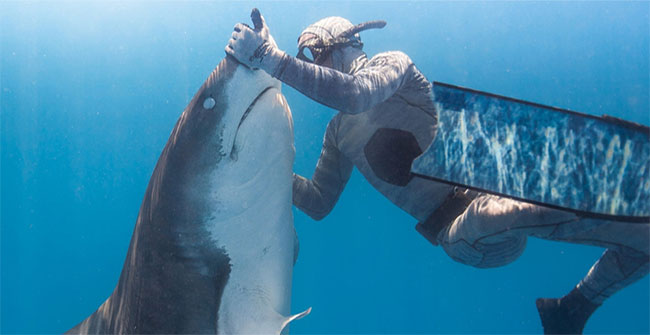
Although one of the three most dangerous sharks in the world alongside white sharks and bull sharks, but in the hands of divers below, 'tiger' sharks look like a 'gentle…

A group of physicists at Trinity Dublin University of Ireland has successfully built what they consider to be the smallest engine in the world.
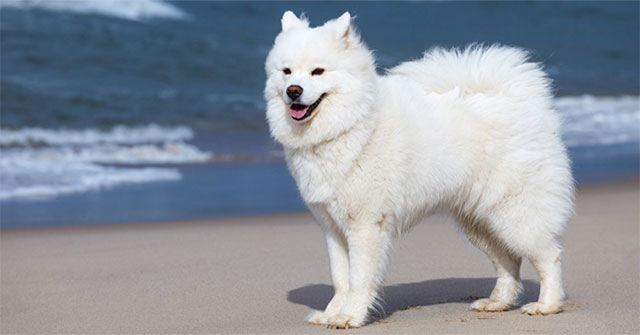
Dogs are a lovely species always loved and spoiled by many families, especially for young people.
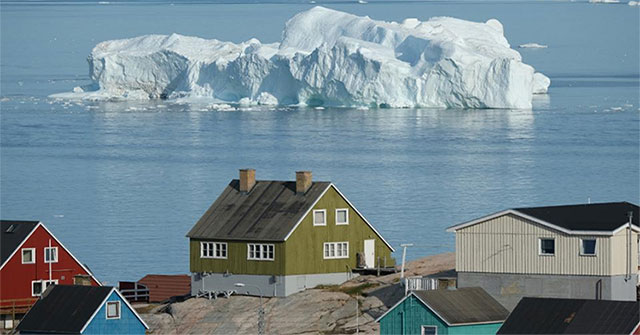
Greenland was given autonomy by Denmark in 1979, and the island's autonomy became larger after the 2008 referendum.
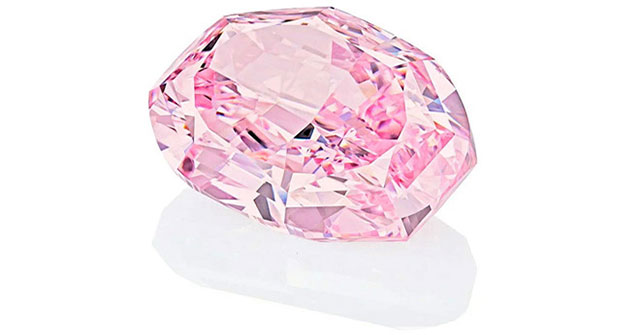
The 14.83 carat pink gem has been found and cut by Russian diamond mining company Alrosa PJSC is expected to have a record price when it is sold by the end of the year.
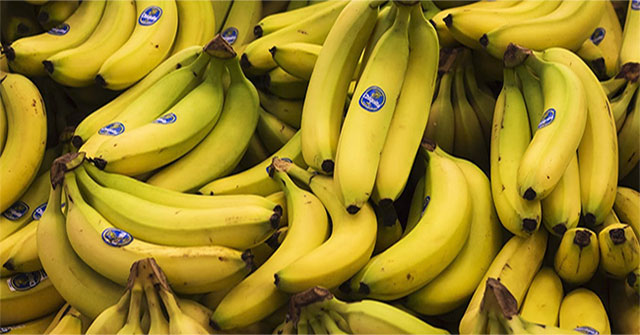
A fungus that is destroying banana plantations grown in the Southern Hemisphere. Although people are making efforts to prevent it, the fungus has now spread to the Ameri…

The emergence of Russia's super-T-14 Armata has removed China's Type-99 from the list of the 10 most powerful main battle tanks in the world voted by Military Today.
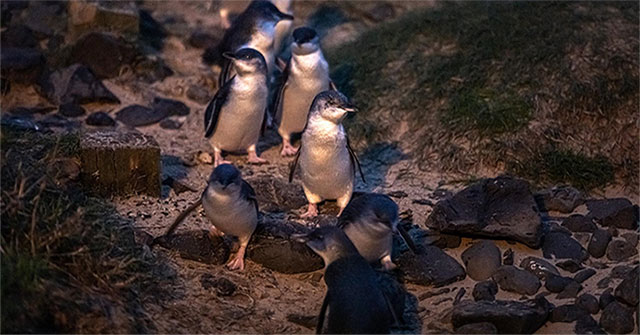
People living on Phillip Island in southern Australia have been relocated, returning their natural habitat to the world's smallest sized penguins.
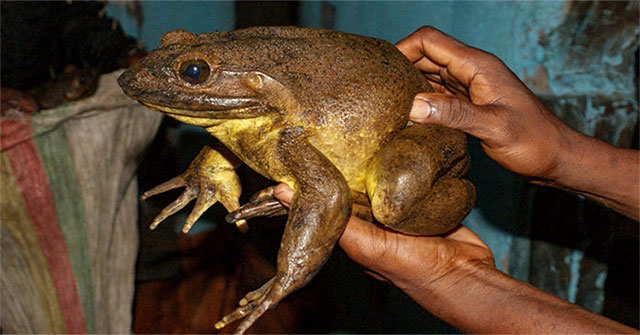
Most frogs are small in size but the Goliath frog in Cameroon is larger than the human foot, up to 34cm long and weighs up to 3.3kg.

Dominating 1000 men, Tomoe Gozen is not only a beautiful and charming samurai woman but also brutally famous and not afraid of anything.
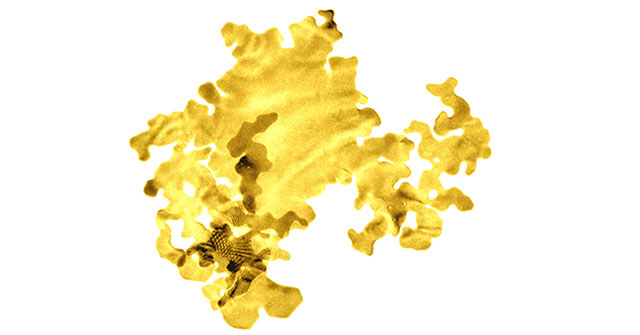
The University of Leeds expert team created thin gold leafs of one million human fingernails, which can be used in electronics and medicine.
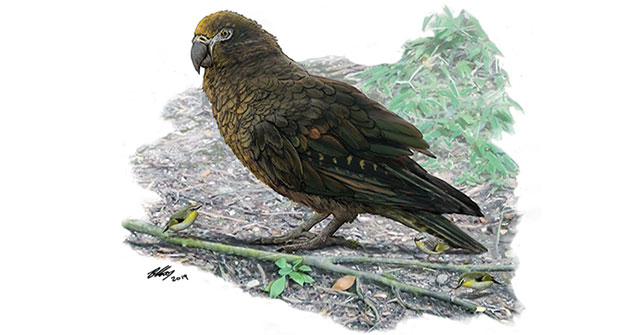
The giant parrot lives in New Zealand 19 million years ago and uses a large beak to dissect food.